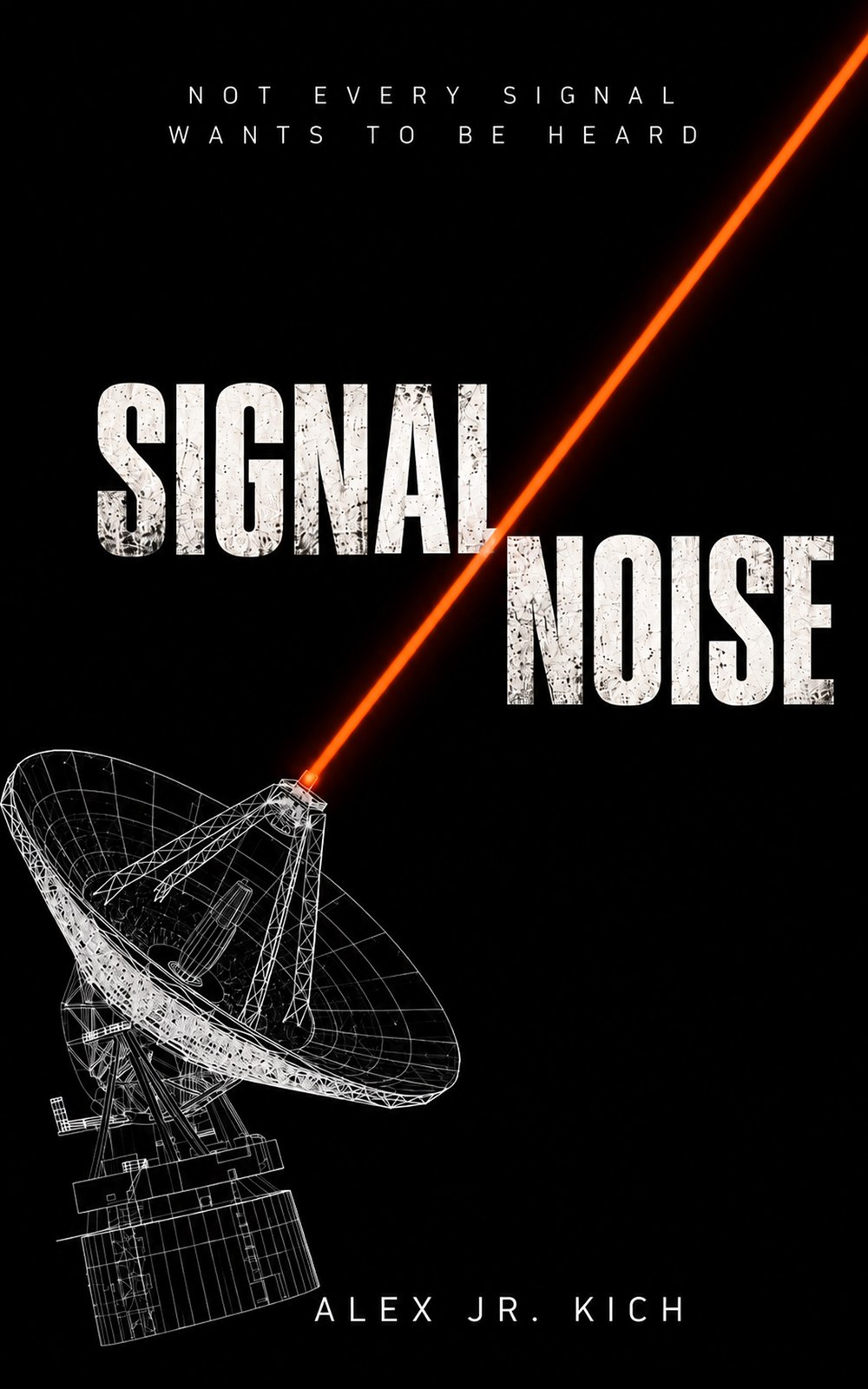
 Science fiction
SIGNAL/NOISE
A real signal captured in 1977. A question that never went away.
Discover SIGNAL/NOISEWriter, artist and worldbuilder.
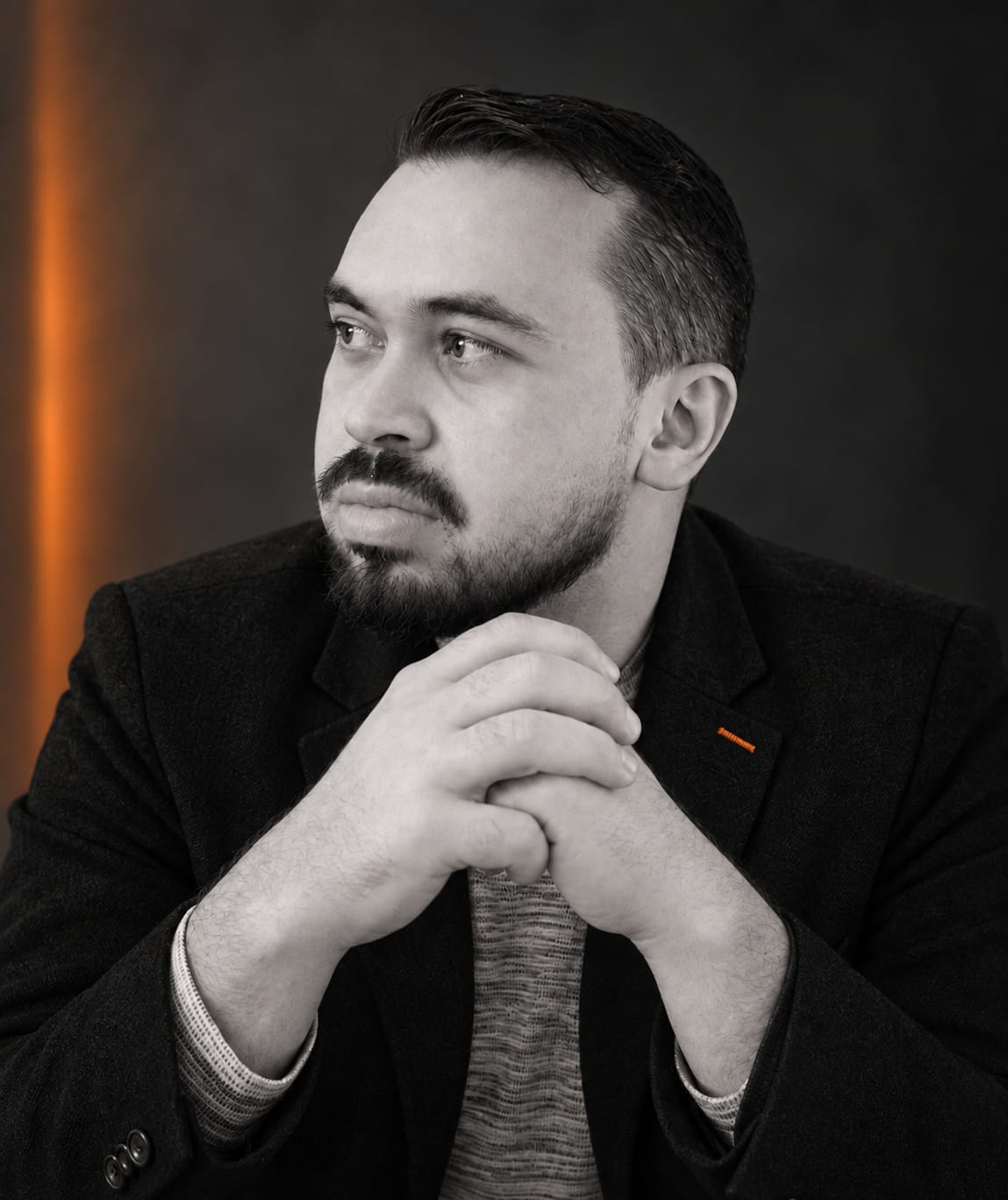
I live in Rio Grande do Sul, Brazil. I draw, compose and write stories on very different scales: some look up at the sky, others build entire worlds, others fit under a bed.
But the rule is always the same:
The concept can be enormous, but the conflict has to stay human.
A photograph.
An absence.
A child who knows something she shouldn't.
A signal.
A river.
A map forgotten under a bed.
From there, the story can grow as much as it needs to. It can reach Neptune, travel through time, or invent an entire world.
But someone has to stay at the center, trying to understand what's happening.
A star that disappears is a phenomenon.
A mother who realizes the whole world forgot her son ever existed — that's a story.
That's the difference I look for.
Science fictionA real signal captured in 1977. A question that never went away.
Discover SIGNAL/NOISE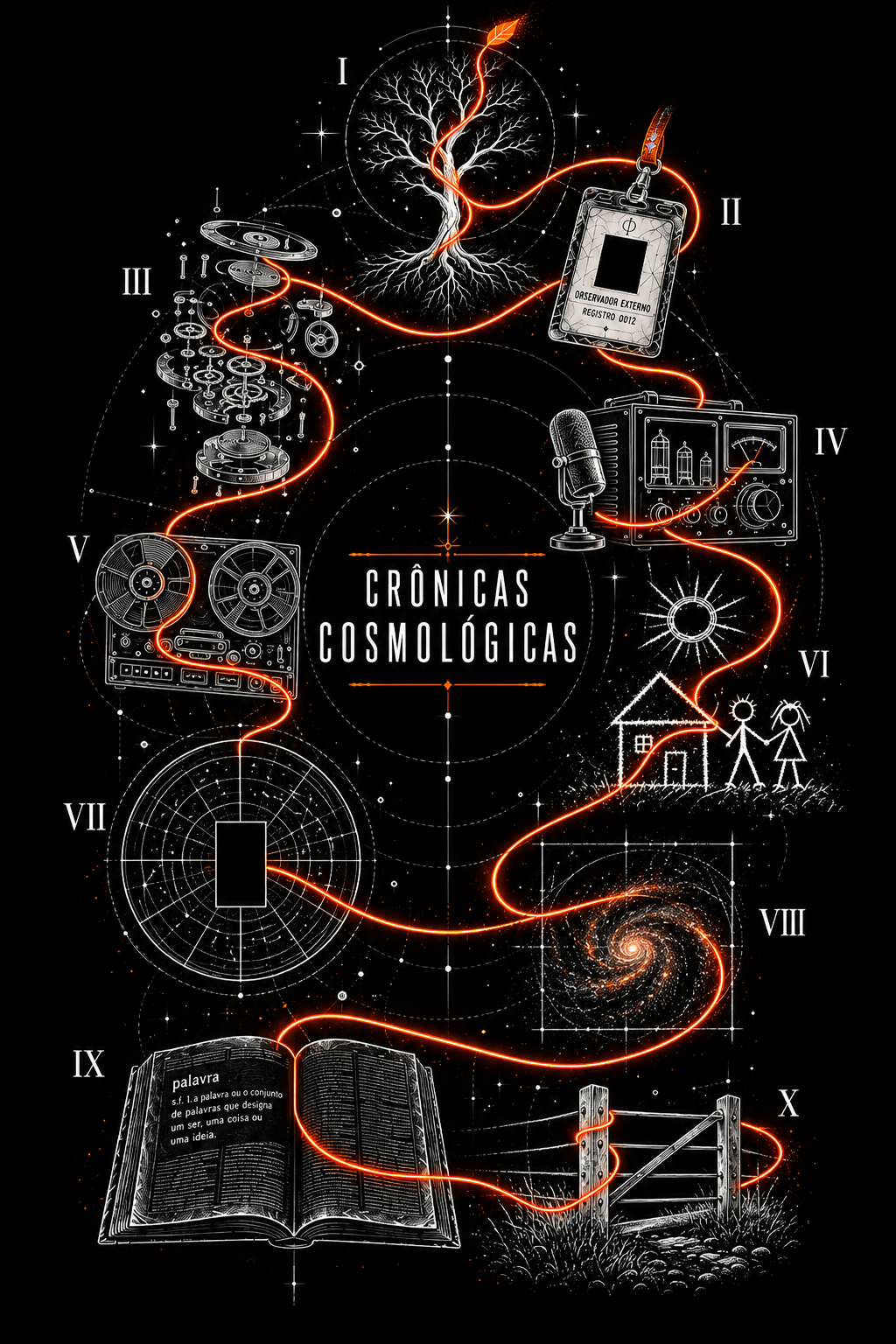 Cosmological mystery
Ten independent stories linked by something that records people, events, and even versions of reality that may never have existed.
Explore the ChroniclesA world where rivers remember, and where having power never answers the harder question: what for?
Enter VALANDOR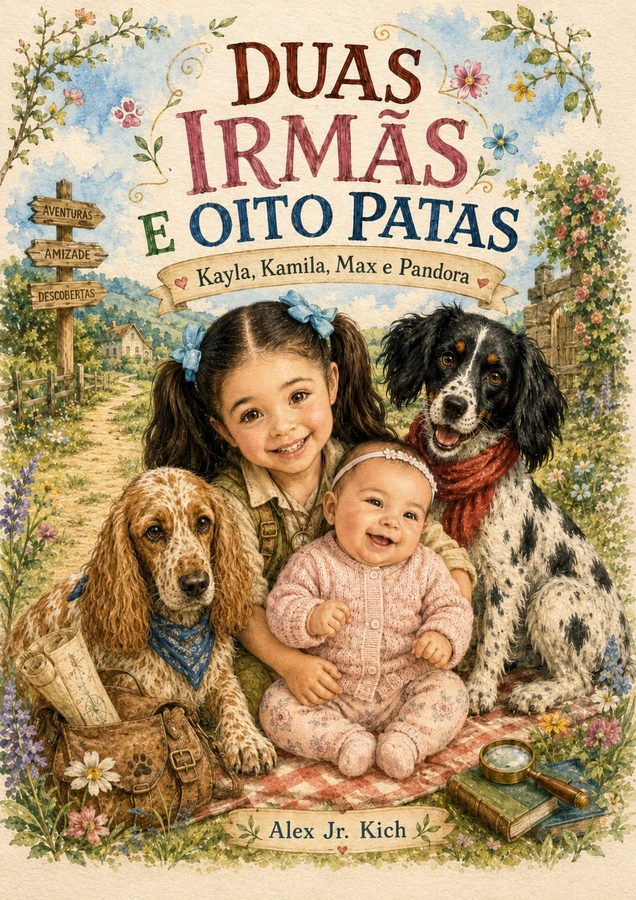 Children's literature
Two girls, two dogs, and the suspicion that an ordinary house might hide far more than it seems.
Meet the seriesWhat if the most important signal had already arrived?
On August 15, 1977, the Big Ear radio telescope in Ohio picked up, for 72 seconds, a signal too strong to be noise.
An astronomer circled the printout and wrote next to it:
Wow!
The signal never repeated.
SIGNAL/NOISE begins with that real event.
Henrique, Marina and Lara follow traces that tie that signal to things too close to home: incomplete records, coincidences that keep coming back, a gate, a disappearance.
The problem starts scientific.
Then it stops being one.
The question is no longer just who sent the signal.
It's another one:
how do we know something is, in fact, a message?
Maybe we've spent too much time looking for answers that resemble us.
Standalone novel and origin work of the Cosmological Chronicles universe.
After SIGNAL/NOISE, the universe opens up.
Ten novels, each with its own protagonists, eras and conflicts. You can start with any of them.
Underneath all of them, though, there's something.
The Archive.
It records people, events, and versions of what could have been.
Sometimes it knows too much. Sometimes it forgets.
And every so often, it holds things that shouldn't exist yet.
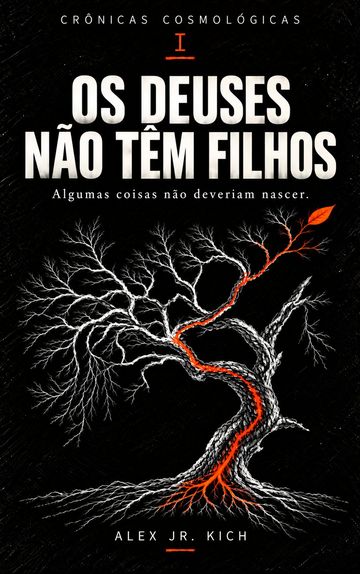 I
THE GODS HAVE NO CHILDREN
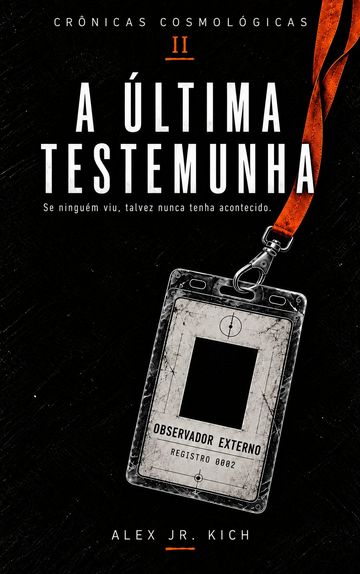 II
THE LAST WITNESS
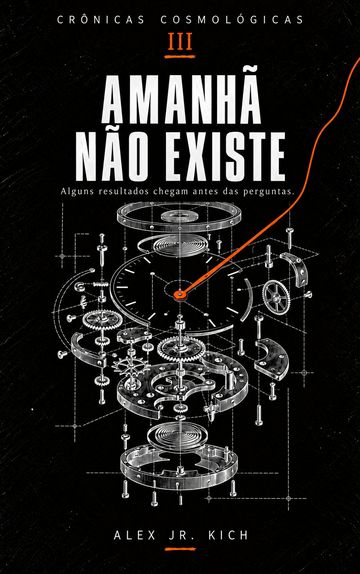 III
TOMORROW DOES NOT EXIST
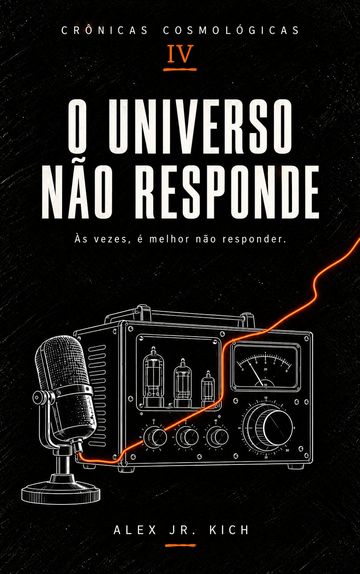 IV
THE UNIVERSE DOES NOT ANSWER
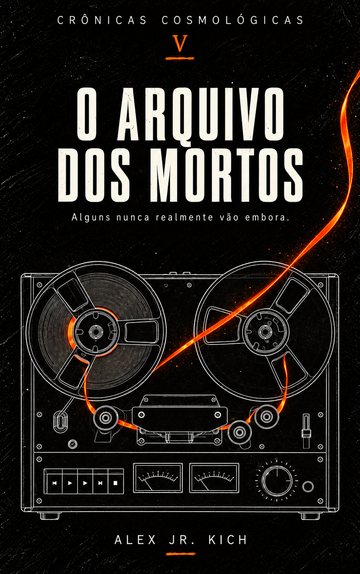 V
THE ARCHIVE OF THE DEAD
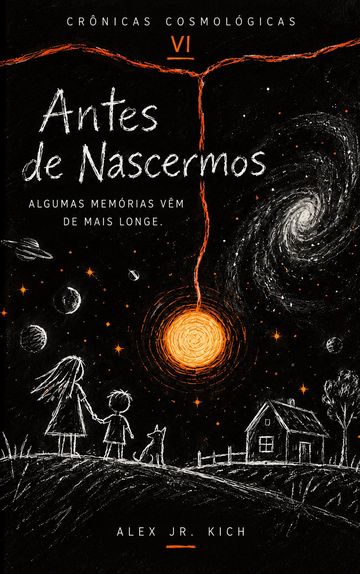 VI
BEFORE WE ARE BORN
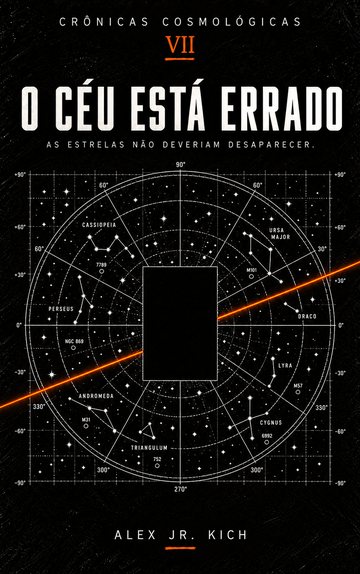 VII
THE SKY IS WRONG
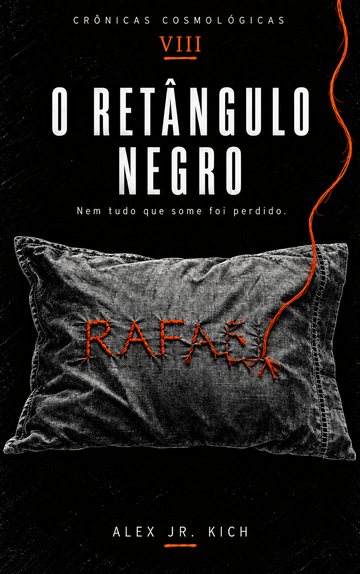 VIII
THE BLACK RECTANGLE
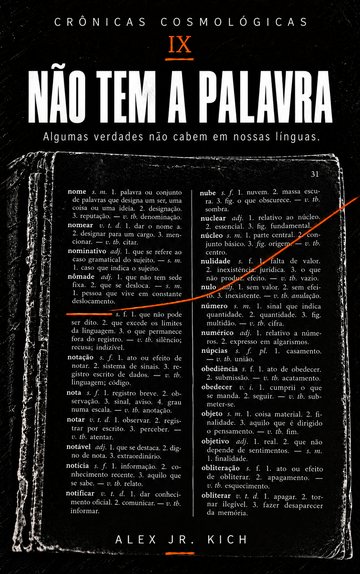 IX
NO WORD FOR IT
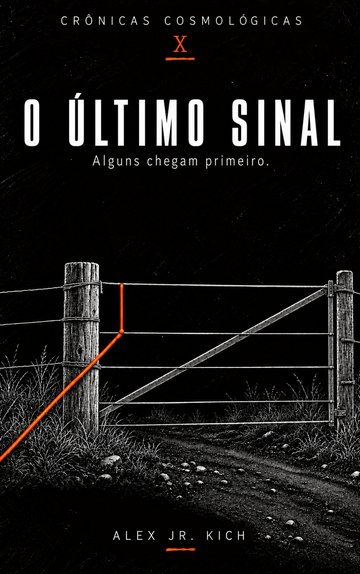 X
THE LAST SIGNAL
No single volume explains the whole Archive. On purpose.
A world where rivers remember.
VALANDOR started as one story and grew into peoples, maps, a past, a mythology and rules of its own.
At its center is Kayla, who carries the Gift.
But having power doesn't answer the harder question:
even if you can, should you?
A river able to hold memories is an idea.
It becomes a story when a girl discovers that river is holding something about her own family.
In Kayla's family, everyone confuses protection with silence.
What no one told her stayed buried somewhere.
And the Orasûn river remembers.
Alongside Aelora, Kayla follows the river's course to where family stories survive precisely because no one thought to look for them there.
Except memory isn't the same thing as the whole truth.
And the Gift doesn't decide for her what to do with what she finds.
Water doesn't just hold.
It carries.
Memories, choices and consequences follow its course to places no one expected.
If memories can fail and stories can be rewritten, what still keeps someone who they are?
Maybe the name.
Book I is available in English as What the River Forgot.
Some adventures start under the bed.
This one was born at home.
It's a children's series written for my daughters, Kayla and Kamila, starring them and our dogs, Max and Pandora.
Two sisters.
Two dogs.
Eight paws.
There's no Archive here, no signal from space, no thousand-year-old river.
There's a house.
A backyard.
Forgotten objects.
And that certainty children have that anything might be hiding an adventure.
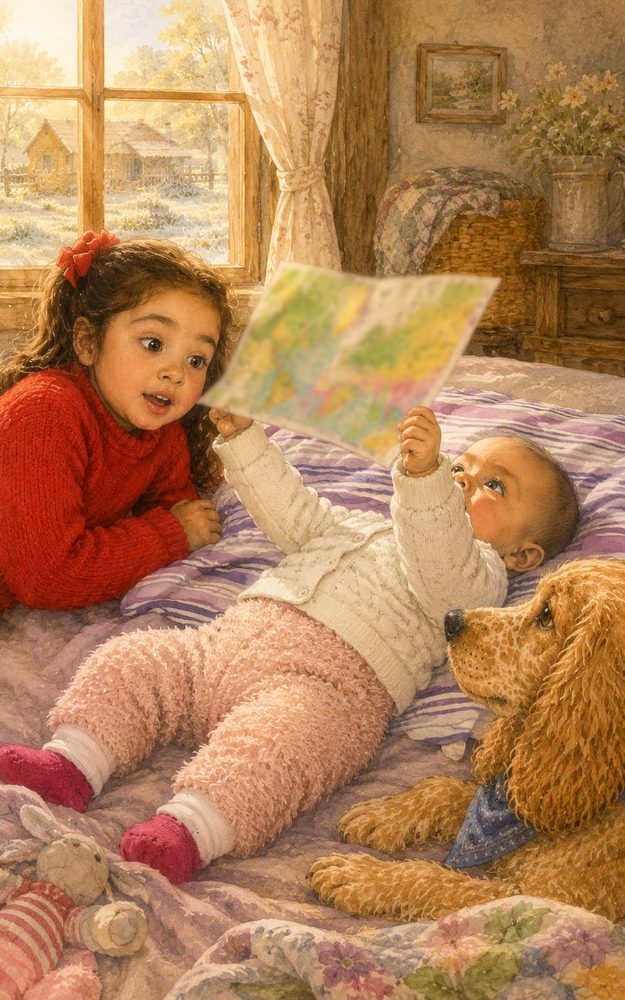
A map turns up under the bed.
For Kayla, that's enough.
It isn't old paper.
It's a clue.
The house changes size. The backyard gains territories. Max and Pandora join the investigation. Kamila, still a baby, takes part in her own way.
At the end of the trail, the treasure isn't gold.
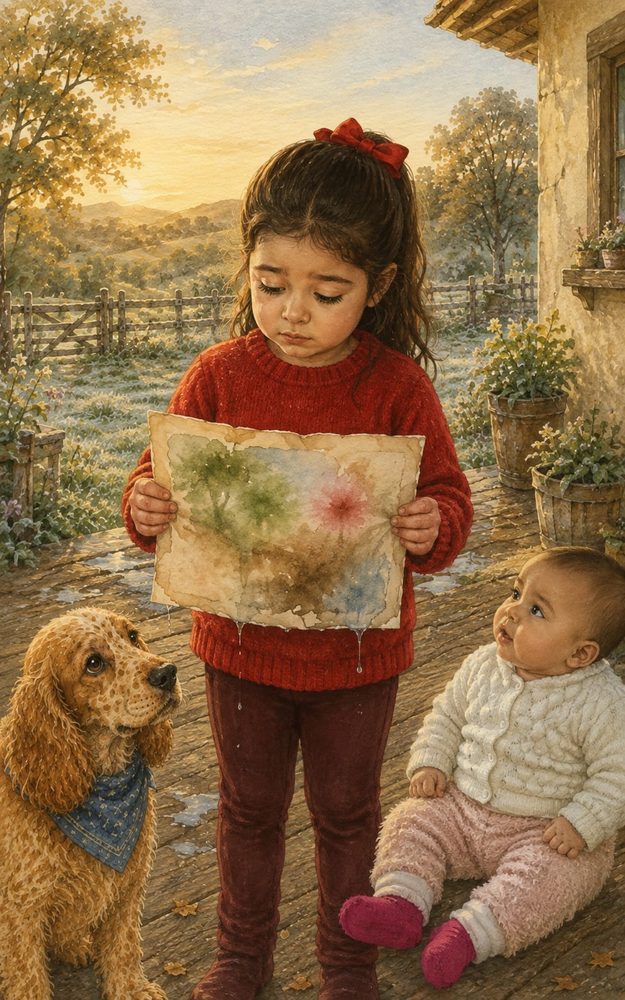
It's a memory from their father's childhood, kept for years, waiting for someone to find it.
The series grows along with the girls.
Each book follows a new stage.
Book 1 is currently available in Portuguese, with an English edition planned.
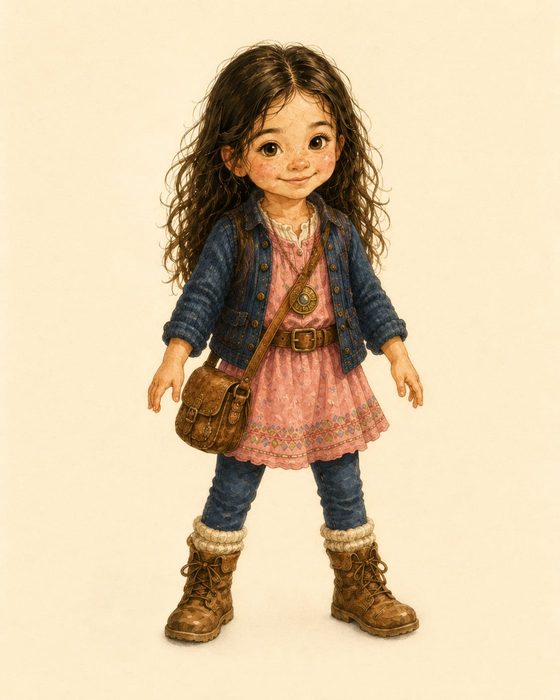

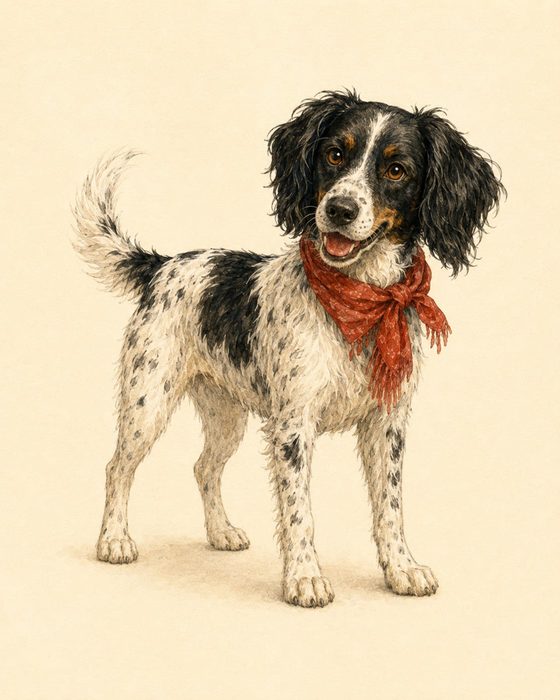
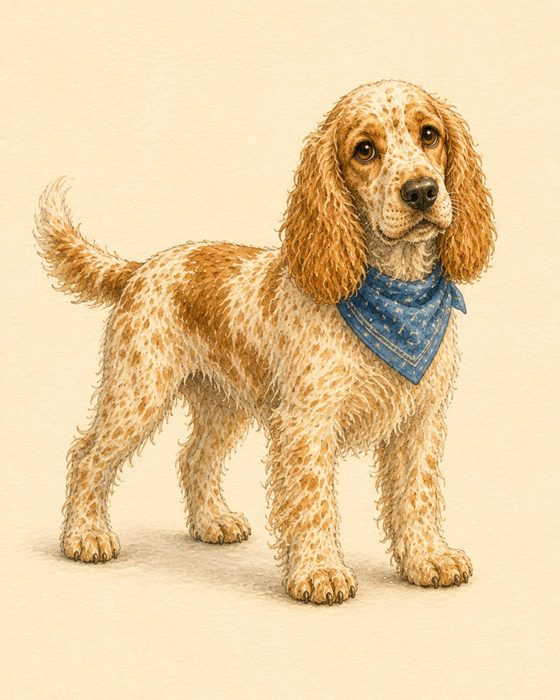
I've been drawing since long before I wrote my first book.
Portraits. Animals. Characters. Places.
A tree clinging to a floating island.
A face that didn't have a name yet.
The face of a cocker spaniel I knew by heart.
Sometimes the drawing becomes a story.
Other times, it's the story that needs the drawing for me to figure out what it looks like.
I also compose music.
Maybe it's all part of the same thing: finding a way to turn something that exists in my head into something someone else can see, hear or imagine.
I've always been interested in systems.
Rules, patterns, structures that should work a certain way.
Especially when they work exactly as they should, and something still goes wrong.
That question shows up in different forms in what I write:
what happens when the system works perfectly and the result is still wrong?
In SIGNAL/NOISE, there's information to spare and no guarantee of meaning.
In the Cosmological Chronicles, the records can be correct and still describe an impossible reality.
In VALANDOR, knowing the rules of a power doesn't tell you when it should be used.
But I don't start with the rules.
I start by looking for someone who will be hit by them.
The mystery needs to be understandable, but it doesn't need to disappear.
An answer can clarify something without turning the unknown into an instruction manual.
And a character doesn't exist to explain the world to the reader.
They need to want something. Make mistakes. Be afraid. Protect someone. Ask inconvenient questions. Laugh at the wrong moment.
That's why I can write about a signal from space, a fantasy world, and two girls following a map through the backyard without considering these stories incompatible.
The scale changes.
The person at the center doesn't.